How Do You Know You've Outgrown Your Home in South Orange County?
A home can feel perfect when you first move in. Then life moves. Kids grow, jobs change, and rooms quietly take on new jobs. The dining table becomes a desk. The garage fills with bins. A guest room turns into an office, a study space, and a place to stash the things that no longer have a home.
Sound familiar? It's one of the most common reasons homeowners in South Orange County start weighing a remodel against a move. The signs usually show up slowly. So the real question is simple: does your home still fit the life you're actually living in it?
Does your daily routine feel harder than it should?

Daily routines are often the first place a space problem shows up. Mornings can mean several people waiting on one bathroom. The kitchen feels crowded at breakfast. School drop-off and the first work call of the day compete for the same fifteen minutes.
Even hallways can become part of the problem. A few everyday items eat up more space than you'd expect:
- Bags and backpacks
- Strollers
- Sports and mobility equipment
These frustrations feel small at first. They add up when they happen every single morning.
Square footage alone doesn't solve it, either. A 2,000-square-foot home can still have an awkward layout, while a smaller home with a smarter floor plan works better day to day.
The first thing I ask homeowners is what their mornings actually look like. Your home should make daily life easier, not add friction before the day even starts. When small frustrations repeat every day, they usually point to something bigger about how the house fits your life.
Has your home lost its dedicated spaces?
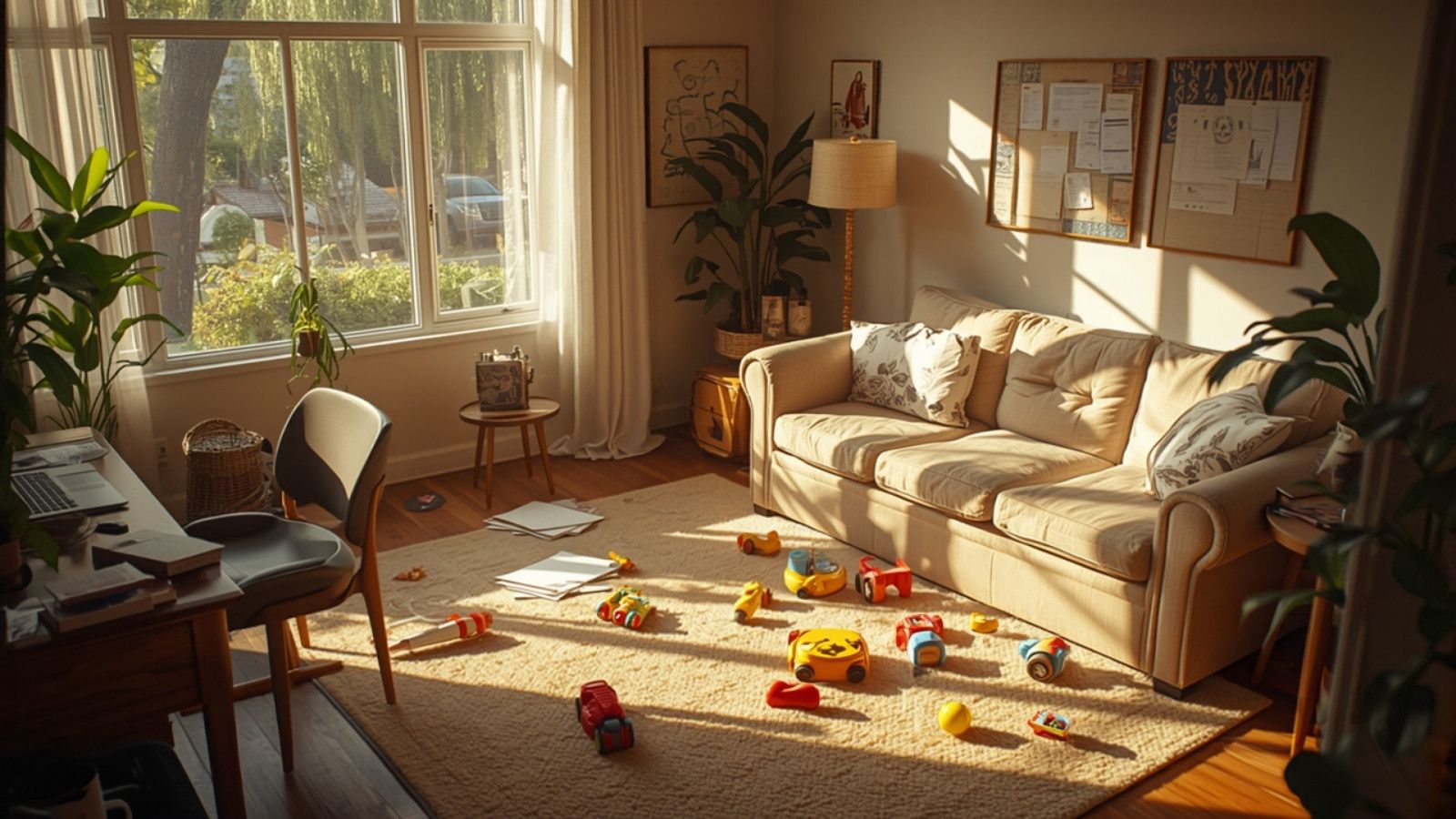
Homes are being asked to do more than ever. A dining table doubles as a workstation. A bedroom holds office equipment and turns into a guest room when family visits.
Can one room really carry all of that? Sometimes. Usually not for long.
Remote work is a big part of the shift. In 2023, 13.8% of American workers usually worked from home, up from 5.7% in 2019. [CITE: U.S. Census Bureau, American Community Survey] But a good internet connection doesn't create privacy, and it doesn't create a room. Working from home well usually needs a few basics:
- Quiet
- Good lighting
- Room for equipment
Kids need dedicated space to study and unwind, too. When every room is pulling double or triple duty, it's hard for anyone in the house to feel settled.
If you're getting a home ready to sell, crowded multi-purpose rooms are worth a look. Clearing out shared work areas and letting each room serve its original purpose again helps buyers picture themselves there.
Is storage quietly taking over your living space?
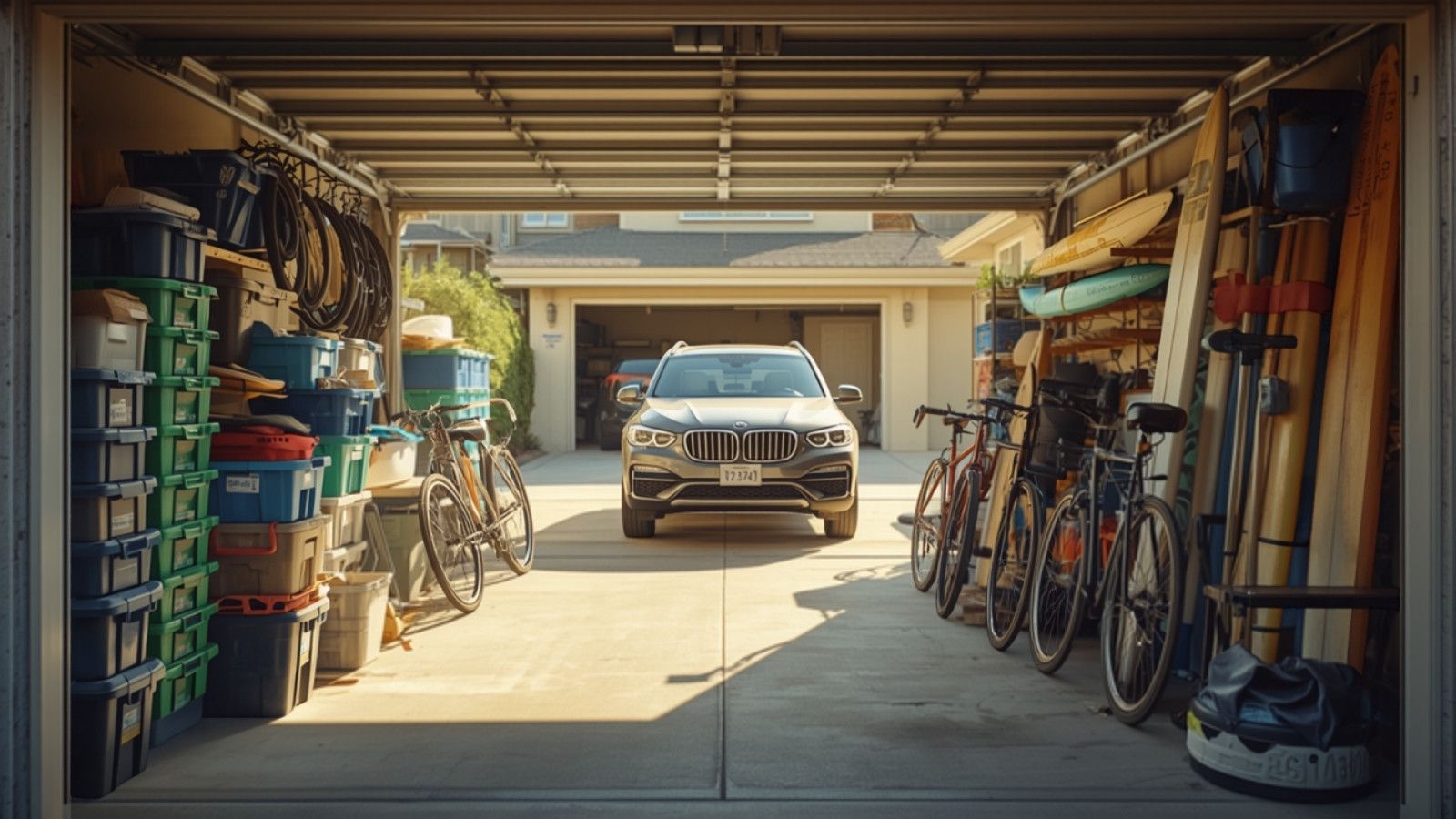
Storage problems usually start small. Closets fill up first. Then the garage starts holding boxes instead of cars. Surfboards, beach chairs, and seasonal gear creep into whatever space is left. Eventually, counters and spare rooms become storage too.
Decluttering helps, of course. But it can't make room for things your household genuinely needs. Different people in the house need different things:
- Growing kids need clothing, school supplies, and sports gear
- Remote workers need monitors and office furniture
- Aging parents may need medical supplies or mobility equipment
When frequently used items don't have a practical home, cleaning takes longer, rooms feel smaller than they are, and important items get harder to find. Once storage starts eating into living areas, a home can feel crowded even after a serious cleanout.
I've walked through homes that were spotless and still felt tight, because the space itself no longer matched what the family needed from it. Storage issues are rarely just about having too much stuff. More often, they're a sign that life has outgrown the house.
Has your household changed since you bought the home?
Most households look different a few years in. Kids grow and want more privacy. Adult children move back after college or a job change. Aging parents may need regular support or a place to stay longer term.
Multigenerational living has become more common as a result. In 2024, 17% of buyers purchased a multigenerational home, the highest share on record. [CITE: National Association of REALTORS®, 2024 Profile of Home Buyers and Sellers]
These shifts stretch more than bedrooms. They put pressure on bathrooms, parking, noise levels, and storage. A layout built for two adults doesn't always work for three generations under one roof.
That doesn't automatically mean it's time to move. In California, an accessory dwelling unit (ADU) can sometimes add a private living space for a parent or adult child on the lot you already own. Whether that works depends on your lot, your city's rules, and your HOA, so it's worth checking before you decide.
Is your home creating accessibility concerns?

Accessibility needs can change quickly. A back injury can make stairs a daily problem. Knee surgery can turn a second-floor bedroom into an obstacle.
Bathrooms are often where this shows up first:
- Narrow spaces that don't accommodate a walker
- Cabinets that are hard to reach
- Slippery flooring that becomes a real safety risk
In Orange County, about 18.5% of residents are 65 or older. [CITE: U.S. Census Bureau QuickFacts, Orange County, CA] But this isn't just an aging homeowner issue. Injuries, disabilities, and caregiving touch a wide range of households.
A few updates tend to make the biggest difference:
- Wider doorways for easier movement
- Non-slip flooring
- Step-free showers
- Handrails where they're needed
These features matter to a lot of people. Nationally, 68% of adults 50 and older say universal design features are important to them. [CITE: AARP Home and Community Preferences Survey]
Some of these updates are simple. Others involve real structural work. That difference matters when you're deciding what to do next.
Could your location stop fitting your routine?

Sometimes the house is fine. It's the location that no longer works. A few things can quietly make an address less convenient:
- A new job adds a longer commute
- Kids end up at a school farther away
- Parents need care in a different city
- Medical appointments become more frequent
Orange County residents average a 26.7-minute one-way commute. [CITE: U.S. Census Bureau, American Community Survey] That's roughly 53 minutes a day, or about 4.4 hours a week, before traffic makes it worse. An address that once felt perfectly convenient can suddenly cost you hours a week.
South Orange County communities like Dana Point, San Clemente, Mission Viejo, Rancho Santa Margarita, and Coto de Caza each offer a different mix of commute times, school access, and price points. They also differ in ongoing costs. Newer master-planned communities often carry HOA dues and Mello-Roos special taxes that older neighborhoods may not, so compare total monthly costs, not just list prices.
A home that fits your life needs more than the right number of bedrooms. It needs to keep your regular destinations within reasonable reach.
Would renovating actually solve the real problem?
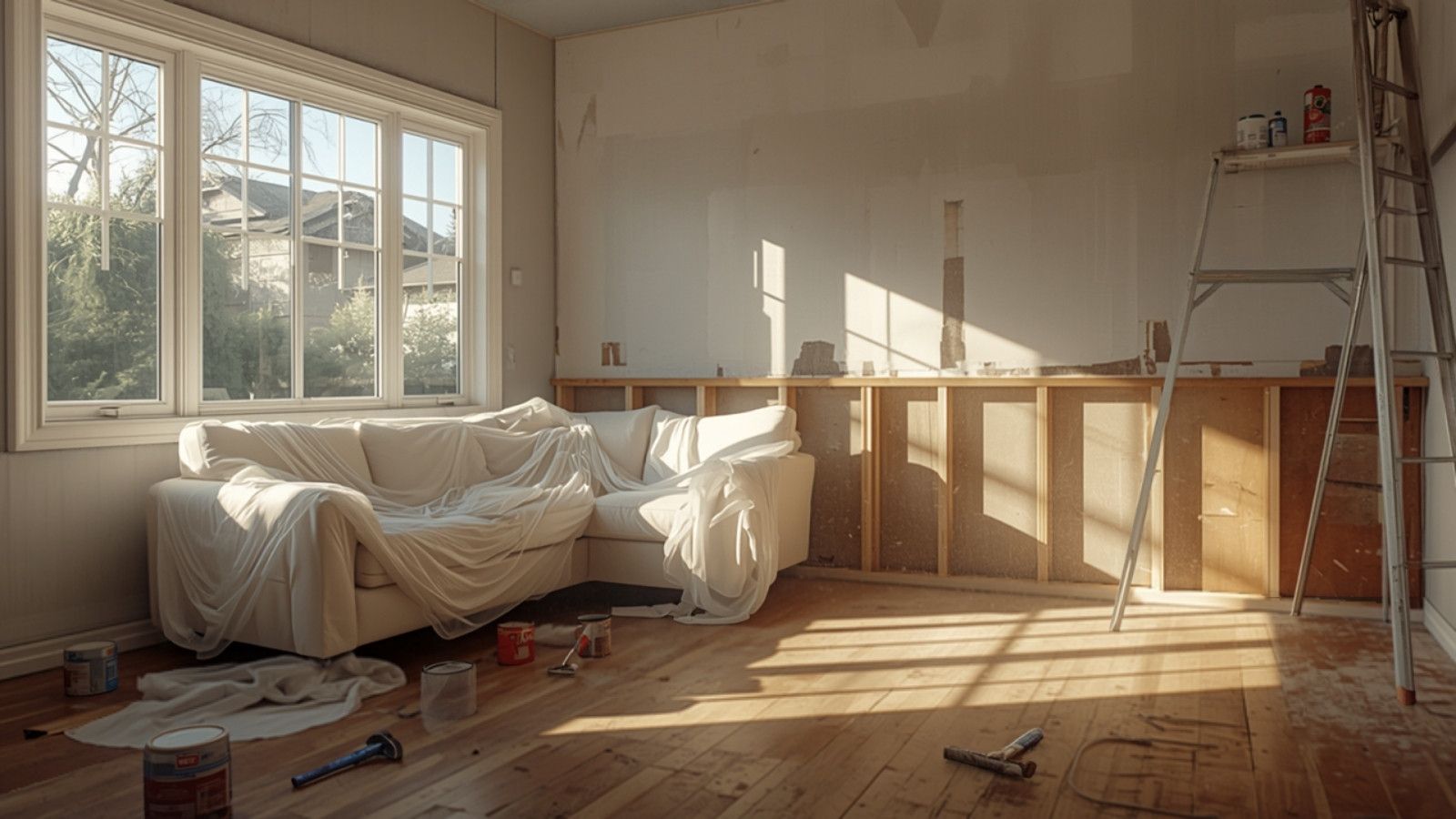
Renovation can genuinely improve a lot of homes. Common projects include:
- Added storage
- A bathroom update for better accessibility
- An office addition
- An extra bedroom
But renovation works best when the actual problem is clear. It can't shorten your commute. It can't move you closer to family. And it runs into real limits: lot size, zoning, structural walls, and building requirements. Construction also brings noise, permits, and timelines that often stretch longer than planned.
The real question: will the finished project actually solve what's bothering you, or just make the same layout a little more comfortable?
A remodel can absolutely add value, but I always encourage homeowners to step back first. If the real challenge is your commute, your neighborhood, or how your family has changed, even a beautiful remodel may not get you the life you're actually looking for.
Why does moving feel so difficult in South Orange County?
Moving can feel especially daunting here. Buying another property can mean a larger mortgage, higher property taxes, and adjusting to a new neighborhood. Selling brings its own costs, too, including repairs, packing, moving, temporary storage, and closing costs. If you're wondering what a move would mean for your budget, our guide Is My Income Enough to Buy a Home in South Orange County? walks through the numbers.
Property taxes are one worry that may be smaller than you think. Under California's Proposition 19, homeowners who are 55 or older, severely disabled, or victims of a wildfire or natural disaster may be able to transfer the taxable value of their current home to a replacement home anywhere in California. Eligibility rules and filing deadlines apply, so talk with a tax professional about your situation.
Staying has costs too. Bigger additions get expensive fast, and smaller projects can drag on for years without ever fixing the underlying issue.
South Orange County covers a wide range of property types and price points. Sometimes the better fit is a few miles away rather than a full remodel at home. And the right sequence, whether you sell first or buy first, often depends on your specific situation and what the current market looks like.
Is your home still supporting your life?
A home should support your routines, your privacy, your work, and your family, all at once. When several of those start slipping at the same time, it's worth a closer look. One frustration on its own is usually manageable. A pattern is what tells you something has really changed.
Renovating tends to make sense when the location still works. Moving tends to make more sense when space, accessibility, or your commute have all shifted at once. The key is catching the pattern early, because homeowners rarely outgrow a home overnight. It happens gradually, and then one day it's obvious.
The answer isn't always to stay, and it isn't always to move. It's about understanding where you are right now, where your life is headed, and choosing the path that gives you the most comfort and confidence going forward.
Not sure whether to renovate or move?
I'm happy to walk through your options with you: what your home could sell for, what's available in the South Orange County communities that fit your life, and whether a move or a remodel makes more sense. No pressure and no obligation.
Call or text (949) 371-5116, or book a free 20-minute consult.
Goli McDowell, REALTOR® | GM Estates | DRE# 02210125 | eXp Realty of California, Inc.
This article is for general informational purposes only and is not legal, tax, or financial advice. Property tax rules, including Proposition 19, have specific eligibility requirements and deadlines. Please consult a qualified tax professional, attorney, or financial advisor about your individual situation.
Categories
Recent Posts