Can You Sell a Probate Property Before Probate Closes?
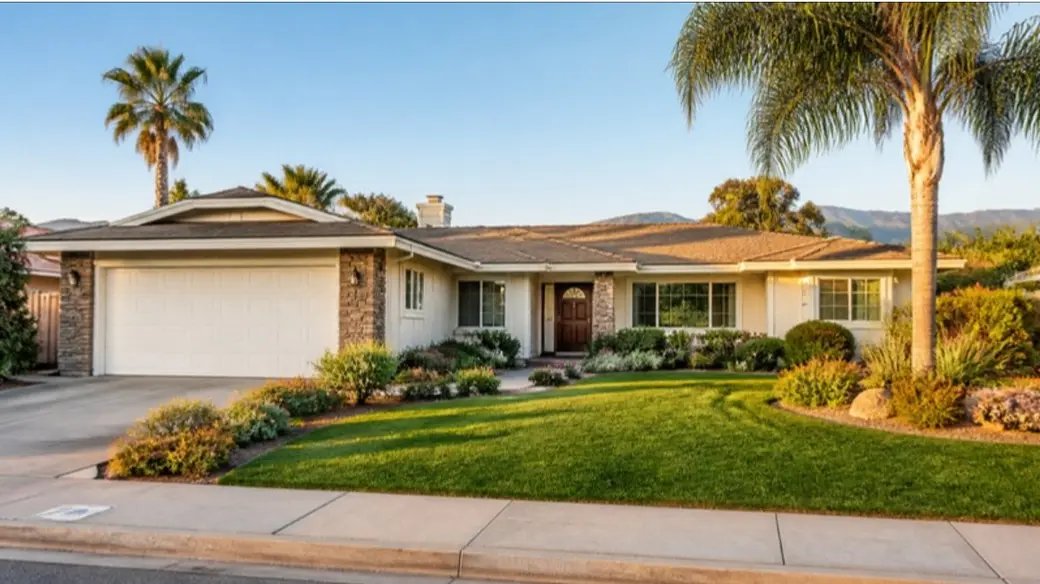
If someone you love has passed away and left a house behind, you may be wondering whether that house has to sit empty until the entire probate case is over. Maybe the property taxes and insurance are piling up. Maybe the heirs live out of state and nobody can keep an eye on the place. Maybe you simply want to move forward. The good news is that in California you usually do not have to wait for probate to close before you sell. You do, however, have to follow a specific set of steps, and the order matters.
In this article I will walk you through how a probate sale works while the case is still open, what the court needs to see, and what you can do right now to get ready.
The Short Answer: Yes, in Most Cases
Selling a house is one of the most common things that happens during a probate case, not after it. California law lets the person in charge of the estate sell real property while the estate is being administered. The house is sold, the money goes into the estate, and the estate pays its bills and eventually distributes what is left to the heirs.
What you cannot do is sell before you have legal authority. And the kind of authority you receive decides how much the court will be involved in the sale.
First Things First: Letters From the Court
Before anyone can sign a purchase contract for a probate property, the court has to appoint a personal representative. If there is a will, that person is usually called the executor. If there is no will, the court appoints an administrator.
The appointment becomes official when the court clerk issues a document called Letters (Letters Testamentary when there is a will, Letters of Administration when there is not). Under California Probate Code section 8400, a person has no power to administer the estate until those Letters are issued. That is true even if you are named as executor in the will.
There is one helpful exception. Someone named as executor in the will may pay funeral expenses and take necessary steps to maintain and preserve the estate before Letters are issued. In plain terms, you can protect the house. You just cannot sell it yet.

Full Authority vs. Limited Authority
When the court appoints a personal representative, it often grants authority under California's Independent Administration of Estates Act. You will usually hear this called "full authority" or "limited authority." This one detail shapes your entire selling experience.
Full authority lets the personal representative handle many estate decisions, including selling the house, without asking the court to approve each one ahead of time. It still comes with rules, which I cover below, but the process is usually simpler and more like a traditional sale.
Limited authority is narrower. Under Probate Code section 10501, a personal representative with only limited authority must get court supervision to sell real property. That means the sale goes through the formal court confirmation process.
Your Letters and the court's order will say which kind of authority you have. If you are not sure, ask your probate attorney before you list the home. It is one of the most important questions you can ask at the start.
Selling With Full Authority: The Notice of Proposed Action
With full authority, the personal representative can usually sell without a court confirmation hearing. Instead, the heirs and other interested people receive a Notice of Proposed Action. This notice describes the sale, including the price and key terms.
California law requires that notice to be given at least 15 days before the date of the proposed action. During that window, anyone entitled to notice can object. If nobody objects, the sale can move forward. If someone does object, the sale can still happen, but it generally has to go through court supervision instead.
For many families, this path feels much closer to a normal home sale. Buyers can make offers, you can negotiate, and the escrow can close on a more familiar schedule. It also helps a great deal when the heirs are on the same page, so open communication early on is worth its weight in gold.
Selling With Court Confirmation: What to Expect
If you have limited authority, or if an heir objects to a Notice of Proposed Action, the sale goes to a court confirmation hearing. Here is what is different about that process.
The price has to meet a minimum. Under Probate Code section 10309, the accepted offer for a private sale must be at least 90 percent of the appraised value. The property also needs to have been appraised within one year before the confirmation hearing.
The hearing is open to other buyers. At the hearing, other buyers can show up and bid more than the accepted offer. This is called the overbid process. Under Probate Code section 10311, the first overbid has to be at least 10 percent more on the first $10,000 of the original offer, plus 5 percent more on the amount above $10,000. The judge then runs what is basically a short auction in the courtroom.
The timeline depends on the court calendar. The wait for a hearing date varies by county and by how busy the court is. Your attorney can give you a realistic picture for your local court.
Buyers sometimes worry that a court-confirmed sale is complicated, but it is very manageable with the right team. Setting expectations with buyers from day one makes a big difference.
What You Can Do While You Wait for Letters
Waiting for Letters can feel frustrating, but this time is valuable. Here are a few things you can usually do to prepare, as long as they fit the duty to maintain and preserve the estate:
- Lock up the house, change the locks if needed, and keep valuables safe
- Call the insurance company so the policy does not lapse on a vacant home
- Keep utilities on so the home stays in good condition
- Collect key papers such as the deed, mortgage statements, property tax bills and HOA information
- Start sorting belongings and decide what family members want to keep
- Talk with a probate real estate agent about pricing, timing and any repairs worth making
When Letters finally arrive, you will be ready to move quickly instead of starting from scratch.

Where the Money Goes After the Sale
This part surprises a lot of families. When the house sells before probate closes, the heirs usually do not receive their shares right away. The sale proceeds go to the estate.
From there, the personal representative uses estate funds to pay valid debts, final expenses and the costs of administration. After the court approves the final accounting and distribution, the remaining money is paid out to the heirs. So selling early can turn a house into cash, stop ongoing carrying costs and make the final distribution much simpler, but it does not usually speed up the moment each heir gets paid.
If an heir is hoping to receive funds quickly, it helps to talk about this openly early on so nobody is caught off guard.
When the House May Not Need Probate at All
Before you assume a house has to go through probate, it is worth checking how the property was held. Some homes pass outside of probate entirely, and others qualify for a simpler court process. Common examples include homes held in a living trust, homes owned as joint tenants with a right of survivorship, and some property that passes to a surviving spouse.
In those situations, the rules for selling are different, and they are often simpler. A successor trustee, for example, generally sells a trust property without a probate court. An estate attorney can review the deed and the estate documents and tell you which path applies to your family.
Let's Talk About Your Situation
When a relative of mine went through probate, I saw firsthand how confusing the court steps can feel when you are also grieving and trying to keep a family together. That experience is a big part of why I focus on probate real estate today.
If you are an executor, an administrator or an heir in Orange County or anywhere in Southern California, I would be glad to help you understand your options. I can walk through your timeline, explain how a full authority or court confirmation sale would likely look for your home, and coordinate with your attorney so the process stays on track. Let's start with a free 20-minute consult. There is no pressure and no obligation to list with me.


This article is general information, not legal or tax advice. California probate, trust, and property tax rules are detailed and change over time, so please consult a licensed California estate attorney and a tax professional about your specific situation. Goli McDowell, REALTOR® and Certified Probate Expert, DRE# 02210125.
Categories
Recent Posts